Introduction
For many beauty clinics, investing in a laser system is not just a purchase decision—it is a long-term business decision that can directly influence treatment capability, service expansion, and operational efficiency.
As customer demand continues to grow for professional treatments such as hair removal, tattoo removal, pigmentation treatment, and skin rejuvenation, clinics are increasingly looking for equipment that can support multiple aesthetic applications. The American Academy of Dermatology (AAD) notes that laser hair removal is a widely used cosmetic procedure, with treatment results influenced by factors such as laser technology, treatment area, and individual skin and hair characteristics.
However, choosing the right laser machine for beauty clinic operations can be challenging. Clinics need to consider more than power specifications or marketing claims—they must evaluate treatment applications, technology options, cooling systems, maintenance requirements, and long-term business value.
This guide explains how to choose an aesthetic laser machine that matches the needs of modern beauty clinics.
Why Choosing the Right Laser Machine Matters for Beauty Clinics
The Impact of Laser Equipment on Treatment Quality and Clinic Efficiency
Laser technology plays an important role in modern aesthetic practices. The equipment a clinic chooses can influence treatment consistency, workflow efficiency, and the range of services it can provide.
Different aesthetic concerns require different technologies. For example, hair removal treatments typically rely on wavelengths that target melanin in hair follicles, while tattoo removal and pigmentation treatments require laser systems designed to interact with pigment particles at different depths.
For this reason, clinics should evaluate whether a device’s technology matches their intended applications rather than selecting equipment based only on appearance, price, or promotional claims.
From an operational perspective, efficient equipment selection can also improve workflow. A suitable laser system may allow practitioners to manage treatments more conveniently, reduce unnecessary equipment changes, and make better use of available treatment rooms.
The Hidden Costs of Choosing the Wrong Aesthetic Equipment
The purchase price is only one part of the total investment when selecting an aesthetic laser machine. Clinics should also consider long-term operating factors before making a decision.
Choosing unsuitable equipment may result in limited treatment capabilities, additional investments in new devices, higher space requirements, and more complicated maintenance management. For growing clinics, a machine that cannot support future service expansion may create unnecessary operational challenges.
For example, a clinic that initially focuses on hair removal may later want to offer tattoo removal or skin rejuvenation treatments. If the existing equipment cannot support these applications, purchasing additional systems may become necessary.
Therefore, equipment flexibility and future scalability are important considerations during the buying process.
Key Factors to Consider When Buying a Laser Machine for a Beauty Clinic
Treatment Applications and Versatility
The first step in selecting a laser system is understanding what treatments the clinic plans to provide.
Before purchasing, clinic owners should define their main service categories, such as hair removal, tattoo removal, pigmentation treatment, skin rejuvenation, and other aesthetic procedures.
A specialized device may be suitable for clinics with a narrow treatment focus. However, clinics aiming to expand their services may benefit from equipment that supports multiple applications.
A multifunctional beauty machine can combine different technologies into one platform, allowing clinics to offer a wider range of treatments while optimizing equipment utilization. However, versatility should always be evaluated together with technology quality and actual clinical requirements.
Laser Technology and Wavelength Selection
Laser wavelength is one of the most important technical factors when evaluating aesthetic equipment.
Different wavelengths interact with different biological targets, which determines their suitable applications. Clinics should understand the differences between laser technologies before making a purchasing decision.
Diode Laser for Hair Removal Treatments
Diode laser technology is widely used in professional hair removal applications. A diode laser hair removal machine works based on selective photothermolysis, where laser energy is absorbed by melanin in the hair follicle and converted into heat.
When the delivered energy reaches an appropriate level, the heat affects the follicle structure while minimizing impact on surrounding skin when proper treatment parameters are selected.
When comparing diode laser systems, clinics should evaluate factors such as wavelength configuration, laser power, spot size, pulse width, cooling performance, and parameter adjustment flexibility.
A professional diode laser hair removal machine should provide stable energy delivery and allow practitioners to adjust settings according to different treatment areas and patient needs.
Nd:YAG and Pico Laser for Tattoo Removal and Pigmentation
Tattoo removal and pigmentation treatments require laser technologies that can interact with pigment particles.
Nd:YAG laser systems commonly use wavelengths such as 1064nm and 532nm because these wavelengths provide different absorption characteristics for different pigment targets.
A pico laser machine uses ultra-short pulse technology to deliver laser energy rapidly to pigment particles. These systems are commonly associated with tattoo removal and pigmentation-focused treatments.
When evaluating a pico laser system, clinics should consider wavelength options, energy output, pulse characteristics, treatment applications, and overall system reliability.
The right choice depends on the clinic’s target treatments and customer demand rather than simply selecting the newest available technology.
CO2 and Other Laser Technologies for Skin Resurfacing
CO2 laser systems represent another important category within aesthetic laser technology. Fractional CO2 lasers are commonly used in professional skin resurfacing procedures by delivering controlled laser energy to targeted skin areas.
Other aesthetic technologies, including radio frequency systems, ultrasound-based devices, and light therapy platforms, may also be used in beauty clinics. However, each technology serves different purposes, so buyers should carefully evaluate whether a device matches their intended treatment portfolio.
Understanding the differences between technologies helps clinic owners avoid investing in equipment that does not align with their business strategy.
Choosing Between Single-Function and Multifunctional Laser Machines
Limitations of Single-Purpose Laser Equipment
Single-function laser systems are designed for specific treatment applications and can be a suitable choice for clinics with a highly focused service model.
For example, a clinic that mainly provides hair removal treatments may prefer equipment dedicated to that specific application. A specialized system can offer targeted functionality when the treatment demand is concentrated in one area.
However, as clinics expand their services, single-purpose equipment may create certain limitations. Additional devices may be required when introducing new treatments, which can increase investment costs, occupy more treatment space, and require operators to become familiar with multiple platforms.
For clinics planning long-term growth, equipment flexibility is becoming an increasingly important factor in purchasing decisions.
Benefits of Multi-Technology Laser Platforms
Multi-technology platforms combine different treatment technologies within one system, allowing clinics to address multiple aesthetic needs through a more integrated approach.
A multifunctional beauty machine can help clinics expand their treatment offerings while reducing the need for multiple standalone devices. This type of system may be especially suitable for clinics that want to provide both hair removal and skin-related treatments.
The advantages of a multi-technology platform include improved equipment utilization, more efficient use of treatment space, and simplified equipment management. However, buyers should evaluate whether each integrated technology provides reliable performance and matches their actual business requirements.
Why 2-in-1 Laser Machines Are Becoming Popular in Beauty Clinics
The aesthetic equipment market is increasingly moving toward more flexible solutions. Many clinics are looking for systems that can support multiple services while maintaining a practical investment structure.
A 2-in-1 laser platform combines complementary technologies into a single workstation. Instead of purchasing separate devices for different treatments, clinics can select a system designed to support multiple applications.
This approach can be valuable for clinics that want to offer more services, improve room utilization, and provide treatment options that match changing customer demands.
However, the decision should be based on technology compatibility, equipment reliability, and long-term business goals rather than simply the number of functions included.
A Practical Solution: Combining Multiple Aesthetic Treatments in One Laser Platform
For clinics looking for a more efficient approach to aesthetic equipment investment, combining complementary laser technologies can provide a practical solution.
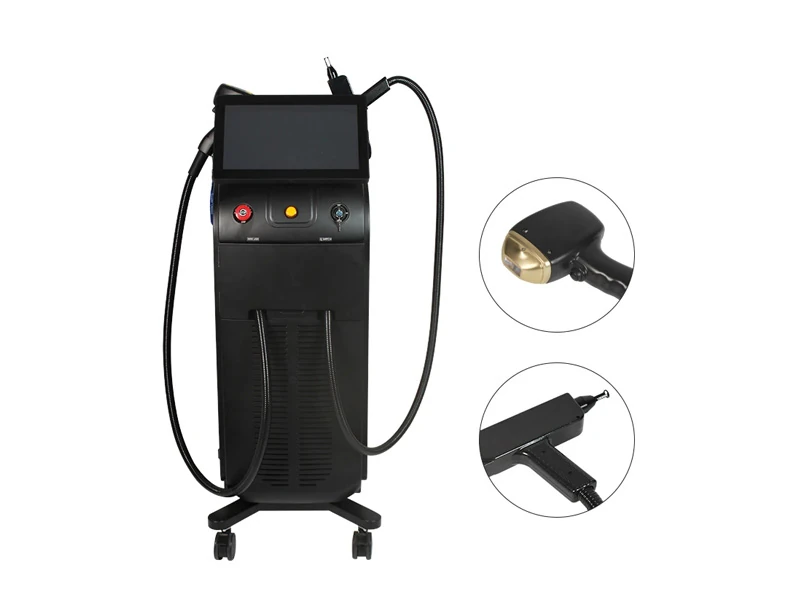
The professional 2-in-1 aesthetic laser system integrates an 808nm diode laser platform for hair removal and a Q-Switched Nd:YAG PicoLaser platform for tattoo removal and skin rejuvenation applications.
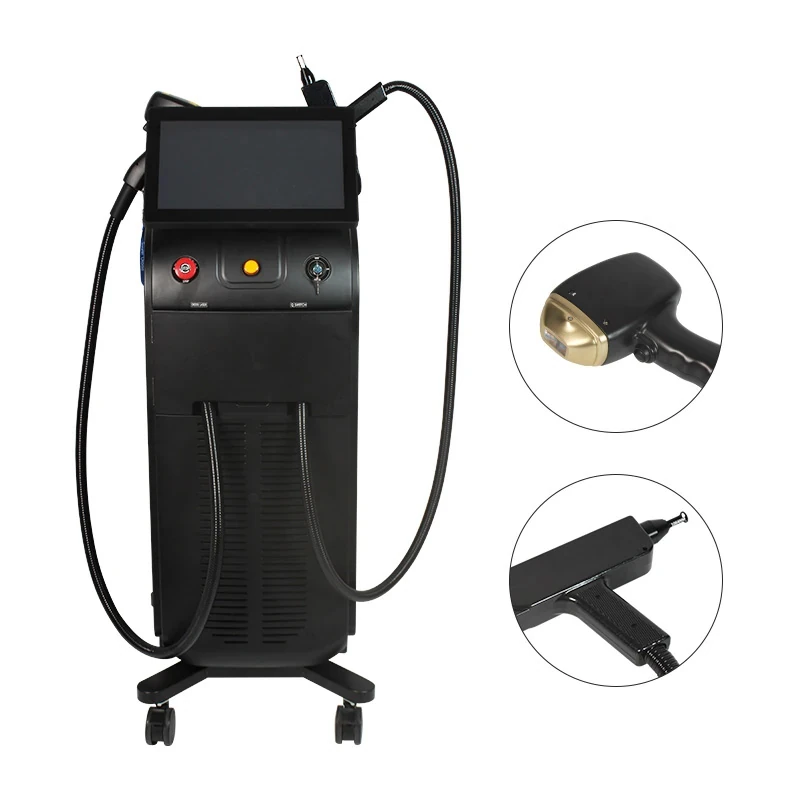
By combining these two technologies in one system, the device is designed to support multiple aesthetic treatment categories while helping clinics save treatment room space and optimize workflow.
808nm Diode Laser and Q-Switched Pico Laser for Multiple Aesthetic Applications
The diode laser platform of this system uses an 808nm diode laser wavelength, which is widely applied in professional hair removal treatments.
According to the provided product specifications, the system features 1000W diode laser power and a 13mm × 40mm large spot size. The large treatment spot is designed to support efficient coverage for different body areas during professional procedures.
The second platform is a Q-Switched Nd:YAG PicoLaser system with dual wavelengths of 1064nm and 532nm.
The two wavelengths provide different pigment-targeting characteristics:
- 1064nm wavelength: Commonly used for deeper pigment targets, including dark tattoo pigments and dermal pigmentation concerns.
- 532nm wavelength: Designed for more superficial pigment targets and certain colored tattoo pigments.
This dual-wavelength configuration allows clinics to provide tattoo removal and pigmentation-related treatments using one integrated laser platform.
Triple Cooling Technology for Safe and Comfortable Treatments
Cooling performance is an important consideration when selecting a professional laser machine for beauty clinic operations.
The system integrates a triple cooling system combining water cooling, wind cooling, and TEC electronic cooling. This cooling design helps maintain stable system operation and supports patient comfort during treatment procedures.
According to the provided specifications, the diode laser temperature can be maintained between 0–30°C, helping manage heat generated during laser operation.
Effective cooling is especially important for high-frequency clinical use because it contributes to treatment comfort and equipment stability.
One Multifunctional Laser Machine to Maximize Clinic Efficiency
Modern beauty clinics increasingly require equipment that can support multiple services without creating unnecessary operational complexity.
The system combines hair removal and pigment-focused treatments in one platform. The system includes a 2500W input power supply, a 15.6-inch touchscreen interface, and pulse mode operation for treatment parameter adjustment.
The Q-Switched platform also supports “Black Diamond” carbon peeling treatment. In this procedure, carbon-based lotion is applied to the skin before laser energy delivery. The laser interacts with the carbon particles as part of a non-ablative aesthetic skincare approach.
With its dual-platform design, this platform provides clinics with a combined solution for hair removal, tattoo removal, and skin rejuvenation-related applications.
Frequently Asked Questions About Beauty Clinic Laser Machines
Q1: What laser machine is suitable for a beauty clinic?
A: The best laser machine depends on a clinic’s treatment goals, customer needs, and business plans. Clinics should consider factors such as treatment applications, technology configuration, cooling performance, and long-term equipment value.
Q2: What is the difference between a diode laser and a Pico laser?
A: A diode laser is commonly used for professional hair removal by targeting melanin in hair follicles, while a Pico laser is mainly used for tattoo removal and pigmentation treatments through rapid laser energy delivery to pigment particles.
Q3: Why are multifunctional laser machines becoming popular in beauty clinics?
A: Multifunctional laser machines allow clinics to provide multiple aesthetic treatments with one platform, helping optimize treatment space, reduce equipment duplication, and improve operational efficiency.
Conclusion
As aesthetic clinics continue to expand their service offerings, demand for flexible and efficient laser platforms is increasing. Instead of investing in multiple standalone devices, many clinics are looking for solutions that can support different treatment needs within a more practical equipment setup.
The 2-in-1 laser system represents this approach by combining an 808nm diode laser platform for hair removal with a Q-Switched Nd:YAG PicoLaser platform for tattoo removal, pigmentation treatment, and skin rejuvenation applications. Its integrated design allows clinics to provide multiple aesthetic services while optimizing treatment space and equipment utilization.
For clinics planning to expand their treatment portfolio, a versatile 2-in-1 laser system can be a valuable option. Contact our team to find the right laser solution for your clinic.