Key Takeaways
- Compare adjustable needle depth, RF frequency, power, control functions, and treatment head options before purchasing.
- Confirm treatment head compatibility and intended use through manufacturer documentation rather than relying on needle count alone.
- Check cartridge availability, replacement part numbers, sterile packaging, and ongoing consumable costs.
- Review model-specific documentation and the regulatory requirements of the destination market.
- Match the device configuration to planned services, daily workload, technical support, and future expansion.
Introduction
Choosing an RF microneedling device involves more than comparing power ratings or counting treatment heads. Buyers need to know whether the equipment suits their planned services, whether the operating instructions are clear, and whether replacement supplies will remain available.
For clinics, the priority is selecting a configuration that supports planned treatments and daily operations. For distributors, compatibility, replacement parts, documentation, and supplier support also affect purchasing decisions.
What Specifications Should You Compare When Buying a Fractional RF Microneedle Machine?
When comparing fractional rf devices, start with the specifications that directly affect operation and configuration. A higher power rating or a longer list of accessories does not automatically make a device more suitable.
Compare Adjustable Needle Depth and Control Settings
Needle depth is an important specification because different services may require different settings. Check the device’s adjustment range and whether the operating instructions explain how to select and control the settings.
Do not compare depth ranges alone. Ask whether the available settings are clearly displayed and whether the manufacturer provides instructions for their intended use. This helps buyers evaluate whether the device’s controls fit the planned workflow.
Check RF Frequency and Rated Output Power
RF frequency and rated power are useful for comparing technical configurations, but they should not be treated as direct measures of treatment effectiveness.
Check the specifications published by the manufacturer and confirm that the figures refer to the same technical parameters. If two suppliers use different terms or measurement methods, ask for clarification before comparing their quotations.
Also review the power supply requirements. Voltage and frequency must be compatible with the destination market and the facility’s electrical supply.
Match Treatment Heads to Intended Applications
Choose treatment heads according to the services you plan to offer. Check the manufacturer’s stated intended use, applicable treatment areas, and compatible settings. Needle count alone does not establish which head is suitable for a particular application.
Before ordering, confirm that the selected heads are documented for your intended use. If the supplier cannot explain their applications or provide compatibility information, request the missing details before finalizing the configuration.
How Should Buyers Evaluate Cartridges and Ongoing Operating Costs?
The purchase price of a beauty machine is only part of the total cost. Consumables, replacement parts, shipping, and maintenance can affect long-term operating expenses, especially for clinics with regular treatment schedules.
Verify Cartridge Compatibility and Replacement Availability
Confirm which cartridges or consumables are compatible with the selected model. Ask the supplier for the correct part numbers and whether replacement supplies can be reordered separately.
For distributors, stable supply matters because unavailable consumables can delay customer orders and after-sales service. Before purchasing, confirm lead times, minimum order quantities, and whether the supplier can provide replacement parts for future orders.
Check Sterile Packaging and Single-Use Requirements
Do not assume that every cartridge has the same packaging or reuse requirements. Ask the manufacturer to specify whether each consumable is supplied sterile, whether it is intended for single use, and how it should be handled after use.
These details should be supported by the product labeling and instructions. Clear documentation helps clinics establish purchasing, storage, and disposal procedures before the device enters service.
Calculate the Total Cost of Consumables
Compare more than the initial device price. Estimate the cost of the device, required consumables, replacement parts, shipping, maintenance, and any additional accessories needed for the planned configuration.
Ask suppliers to quote consumables separately and identify which items are included in the initial order. This makes it easier to compare offers and estimate future replenishment costs without overlooking items that may need to be purchased later.
What Safety and Regulatory Documents Should You Check Before Ordering?
When evaluating aesthetic machines, buyers should confirm both the device documentation and the requirements that apply in the destination market. A supplier’s general statement about compliance is not a substitute for documents that identify the actual product and its intended use.
Verify Documents for the Exact Model and Manufacturer
Request the product manual, labeling, manufacturer details, warranty terms, and relevant conformity documents. Check that the model name and manufacturer information match the equipment being quoted.
Confirm Requirements in the Destination Market
Regulatory requirements vary by market and intended use. Importers should identify the applicable requirements before placing an order and confirm which documents are necessary for customs clearance, distribution, or commercial use.
For products that fall within the scope of applicable European Union legislation, the European Commission explains that CE marking indicates conformity with relevant EU requirements. Buyers can consult the Commission’s CE marking guidance and verify which rules apply to the specific device.
Do not assume that one certificate or declaration is sufficient for every country. Confirm the requirements with the relevant authority or qualified regulatory professional when necessary.
Review Operating Instructions, Training, and Maintenance Requirements
Documentation should explain how to set up, operate, clean, store, and maintain the equipment. Buyers should also confirm what training is available and which maintenance tasks require professional service.
Clear operating procedures and appropriate training should be part of the purchasing assessment, not an afterthought.
How Should You Match the Device to Your Business Needs?
The right configuration depends on the services you intend to offer, the number of treatments you expect to perform, and the resources available for operation and maintenance. Defining these requirements first helps buyers avoid paying for options they do not need.
Identify the Treatment Services You Plan to Offer
List the services the device is expected to support. Then compare those requirements with the manufacturer’s documented specifications, treatment head options, and operating instructions.
If the documentation does not establish that a configuration is suitable for a planned service, do not assume compatibility based on a similar model or a supplier’s general description. Obtain written confirmation before ordering.
Choose a Configuration That Fits Your Daily Workload
A clinic with a limited service menu may need a different configuration from a facility with a larger team and a higher treatment volume. Consider the expected workload, setup process, consumable availability, and time required for routine maintenance.
Distributors should also consider the needs of their target customers. Stocking a smaller range of clearly documented configurations may be more practical than holding every available option without evidence of demand.
Plan for Future Service Expansion
If you plan to expand your services, check whether additional compatible heads or accessories can be purchased later. Confirm their availability, part numbers, prices, and any requirements for using them with the existing device.
This is particularly important when building a portfolio of aesthetics equipment. Future expansion is easier to manage when compatibility, replacement supplies, and technical support are confirmed before the initial purchase.
Why Consider JingBow’s JB-FR01 Fractional RF Microneedling Machine?
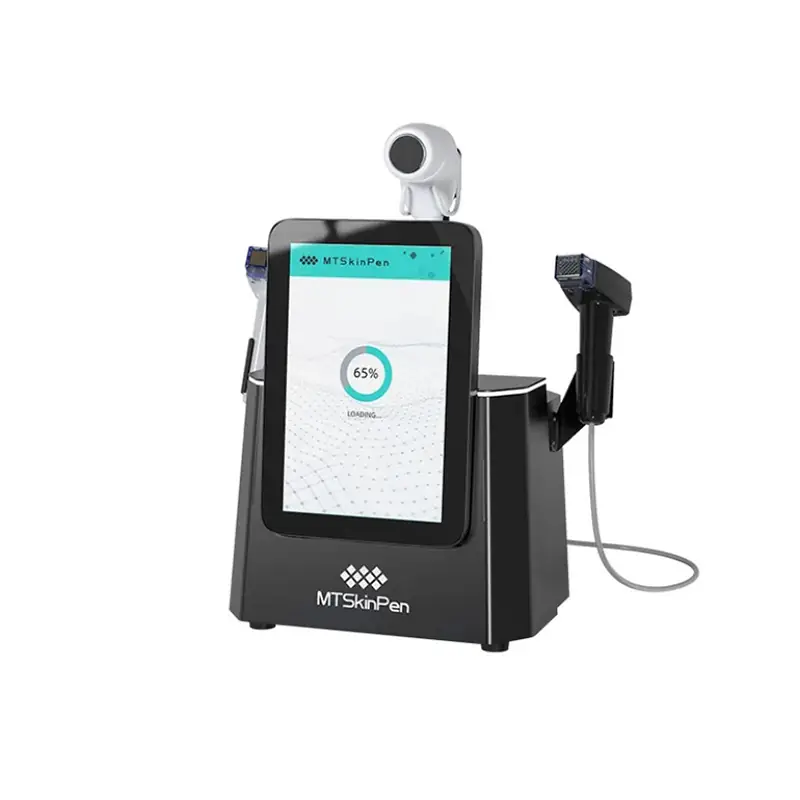
The JB-FR01 is a portable RF microneedling model. Its published specifications give buyers a starting point for comparing its configuration with their requirements. Before ordering a fractional rf microneedle machine, confirm the selected heads, included accessories, consumable arrangements, documentation, and final quotation.
Review the Key Specifications
| Specification | Published details |
| Model | JB-FR01 |
| Rated power | 200 W |
| RF frequency | 2 MHz |
| Needle depth | 0.5–6.0 mm |
| Listed treatment head options | Nano-L, Nano-S, 12-pin, 24-pin, 40-pin |
| Display | 12.1-inch touchscreen |
| Power supply | AC 110/220 V, 50/60 Hz |
| Additional component | Ice hammer, listed temperature range 0–10°C |
Use these published specifications as an initial comparison checklist. Confirm the final configuration and included items with the supplier before payment.
Review the Portable Configuration
The product is described as a portable model. Buyers should request its dimensions, weight, packaging details, and workspace requirements to determine whether it fits the intended treatment room, storage area, or distribution plan.
These details are also useful when estimating shipping costs and planning storage. Do not rely on the term “portable” alone to assess transport or installation requirements.
Confirm the Available Treatment Head Options
The product page lists Nano-L, Nano-S, 12-pin, 24-pin, and 40-pin options. The list identifies the available configurations but does not, by itself, establish the intended use of each head.
Ask the supplier to confirm the documented applications and compatibility of the selected heads. Also clarify whether each head is included in the quoted price or supplied as an optional item.
Check the Touchscreen and Adjustable Depth
The published specifications list a 12.1-inch touchscreen and a needle depth range of 0.5–6.0 mm. Buyers should request the operating manual or a demonstration to understand how settings are selected, displayed, and adjusted.
Before purchase, confirm that the controls and instructions are suitable for the intended operators and planned workflow.
Confirm the Ice Hammer Configuration
The product information lists an ice hammer with a temperature range of 0–10°C. Confirm whether it is included in the quotation, how it connects to the main unit, and which instructions apply to its operation and maintenance.
If the accessory is optional, request its price separately so that the total configuration cost is clear.
Confirm the Purchase Details
Before placing an order, provide the supplier with the destination country, order quantity, planned services, required treatment heads, and documentation requirements. Request a quotation that separates the main unit, heads, accessories, consumables, shipping, warranty, and after-sales support.
Ask the supplier to confirm the final configuration in writing. This reduces the risk of receiving a package that does not match the intended use or budget.
Frequently Asked Questions
What needle depth does the JingBow JB-FR01 list?
The product page lists an adjustable needle depth range of 0.5–6.0 mm. Buyers should confirm the operating instructions and applicable settings before use.
Which treatment head options are listed for the JB-FR01?
The listed options are Nano-L, Nano-S, 12-pin, 24-pin, and 40-pin. Confirm the intended use, compatibility, and price of each selected option with the supplier.
Does the quotation include the ice hammer and all treatment heads?
The published product information lists these options but does not establish which items are included in every quotation. Request an itemized list of included accessories, optional heads, and their separate prices.
How should buyers compare the ongoing cost of RF microneedling equipment?
Compare the device price with consumables, replacement parts, shipping, maintenance, accessories, and after-sales support. Ask for separate prices and expected replenishment lead times to estimate ongoing expenses.
What documents should importers request before purchasing?
Common items to review include the product manual, labeling, manufacturer details, warranty terms, and relevant conformity documents. The exact requirements depend on the destination market, product classification, and intended use.
Conclusion
For clinics and distributors, the value of a device also depends on how easily it fits into daily operations. A clear control interface can help operators navigate device settings, while a portable design may offer more flexibility when planning room layouts, storage, or equipment placement.
The JB-FR01 combines a touchscreen interface with adjustable needle depth and several listed treatment head options. This gives buyers specific configuration details to review when considering how the device may fit their service plans. Its portable format may also be worth evaluating for facilities that need to make efficient use of treatment and storage space.
If you are sourcing an RF microneedling machine for your clinic or distribution business, contact JingBow with your planned services, target market, and technical requirements to discuss a suitable configuration and request a quotation.