Key Takeaways
- EMTT and shockwave therapy use different forms of energy. EMTT uses electromagnetic energy, while shockwave therapy uses mechanical or acoustic waves.
- Their working settings and applicators are also different, so the two technologies should be compared separately.
- A combined machine can be useful when a clinic needs more than one therapy technology and wants to simplify its equipment setup.
- A 3-in-1 label only shows how many functions are included. It does not show whether the configuration fits the clinic’s actual services.
Introduction
EMTT and shockwave therapy are both used in professional physiotherapy equipment, but they work in different ways. If a clinic is considering a multifunction machine, understanding these differences makes it easier to compare equipment. The main focus should be the technology, working settings, applicators, and overall configuration rather than the number of functions alone.
What Is the Difference Between EMTT and Shockwave Therapy?
The main difference is the type of energy used. EMTT uses electromagnetic energy, while shockwave therapy uses mechanical or acoustic wave energy. Because the energy is produced and delivered in different ways, the machine design and working settings also differ.
How Does EMTT Work?
EMTT, or Extracorporeal Magnetotransduction Therapy, uses electromagnetic energy. A special applicator creates an electromagnetic field and delivers the energy to the treatment area without mechanical impact.
This makes EMTT different from treatments that use sound or mechanical energy. For example, high intensity ultrasound uses acoustic energy, so it is not the same technology as EMTT.
The applicator is an important part of an EMTT machine because it delivers the electromagnetic energy. When two EMTT machines are compared, the frequency range, matching applicator, and overall configuration should be considered together.
How Does Shockwave Therapy Work?
Shockwave therapy uses mechanical or acoustic wave energy. Different machines can create these waves in different ways, so products described as shockwave devices may not have exactly the same design.
According to the U.S. Food and Drug Administration (FDA) device classification database, shockwave devices can use different wave-generation methods, including electrostatic spark discharge, electromagnetic repulsion, and piezoelectric crystal arrays. The database also identifies dedicated applicators and acoustic interfaces.
This is important when comparing equipment. The term “shockwave” does not describe the whole machine. A more useful comparison starts with how the waves are generated and which handpiece is supplied. Pressure and frequency can then be reviewed within that specific configuration.
Why Should EMTT and Shockwave Be Evaluated Separately?
The working parameters of EMTT and shockwave describe different types of energy. EMTT frequency relates to electromagnetic output, while shockwave pressure and frequency relate to mechanical wave delivery.
A larger number in one category does not automatically mean better performance. If a clinic needs EMTT, its requirements should be matched with EMTT equipment. The same approach applies to shockwave equipment.
This makes comparisons clearer because buyers are looking at the right parameters for each technology instead of treating different types of energy as though they use the same measurement.
Why Combine EMTT and Shockwave Therapy in One Machine?
A combined machine is useful when its different technologies have clear roles in the clinic. The function count itself is less important than whether the included technologies will actually be used.
When Does a Clinic Need More Than One Therapy Technology?
A clinic that mainly provides shockwave treatments may only need a dedicated shockwave machine. However, if the treatment menu also includes EMTT, another technology is required.
In this situation, one machine can provide both technologies instead of requiring a separate host for each function. The same principle applies to additional functions: each one should have a practical use in the clinic.
A useful starting point is the clinic’s planned services. Once each service is matched with the technology it requires, it becomes easier to see whether a multifunction machine fills a real gap or simply adds more functions.
If a distributor already sells aesthetic machines, the same question applies. The new product should add a therapy category that is not already covered by its current range.
Does One Machine Make Multi-Technology Operation Easier?
Several separate machines can mean more hosts, control panels, applicators, and operating procedures. A combined platform can simplify the equipment setup when its different modes are easy to identify and operate.
This matters when several operators share the same equipment. They need to know which function is active, which applicator belongs to it, and which settings can be adjusted.
A live demonstration can help here. The supplier can show how the operator changes from EMTT to shockwave, connects the relevant applicator, and adjusts the working settings.
What Makes a Combined Machine Worth Buying?
A combined machine has more practical value when its technologies provide different treatment options rather than repeating the same function.
EMTT and shockwave already use different energy types, while NIRS adds another technology category. For a clinic that needs several therapy options, this combination can provide a wider treatment setup.
The same point applies to a distributor. If a product is added to an existing aesthetics equipment range, the additional functions should have a clear place in the target market. A broader specification is useful when customers have a reason to use those functions.
What Should Buyers Check Before Choosing a Physiotherapy Machine?
Once the technology is understood, the next step is to look at the complete machine. A specification sheet may show the main parameters, but it does not always explain how the equipment will work in daily use.
Can Operators Switch Between Functions Easily?
A multifunction machine should have a clear operating process. The operator needs to select the correct mode, use the matching applicator, adjust the related settings, and start treatment.
If these steps are difficult to understand, having several functions in one machine may not bring much practical value. This can become a bigger issue when different operators share the equipment.
A product demonstration is useful during supplier evaluation because it shows the actual operating process. The operator should be able to identify the active function and its corresponding applicator without relying on unclear instructions.
Does the Configuration Match the Way the Machine Will Be Used?
The number of functions does not always tell buyers what is included in the machine. Two products may offer similar functions while having different applicators, accessories, or configurations.
The main unit and accessories should match the quoted package. This is especially important for distributors because two products can look similar on a product list while having different equipment inside the package.
A complete configuration list makes this easier to check. Buyers can see which component belongs to each therapy function and whether the package supports the intended services.
Are the Manufacturer’s Documents Complete?
A medical device purchase involves more than technical parameters. Depending on the target market, buyers may also need operating instructions, product identification, labels, and other supporting documents.
According to the International Organization for Standardization (ISO), ISO 20417:2026 sets general requirements for information supplied by medical device manufacturers. These requirements cover areas such as product identification, labeling, packaging information, and accompanying documents such as instructions for use.
Documentation should be considered together with the machine itself. The technical specification, instructions for use, applicable market certifications, warranty terms, and technical support should all be confirmed before the order is finalized.
Why Choose the 3-in-1 Physio Magneto EMTT & Shockwave Therapy Machine?
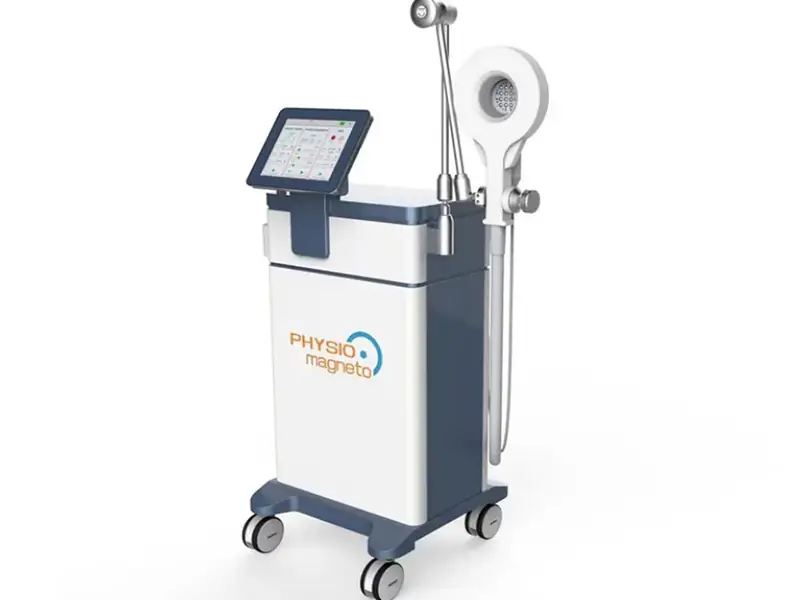
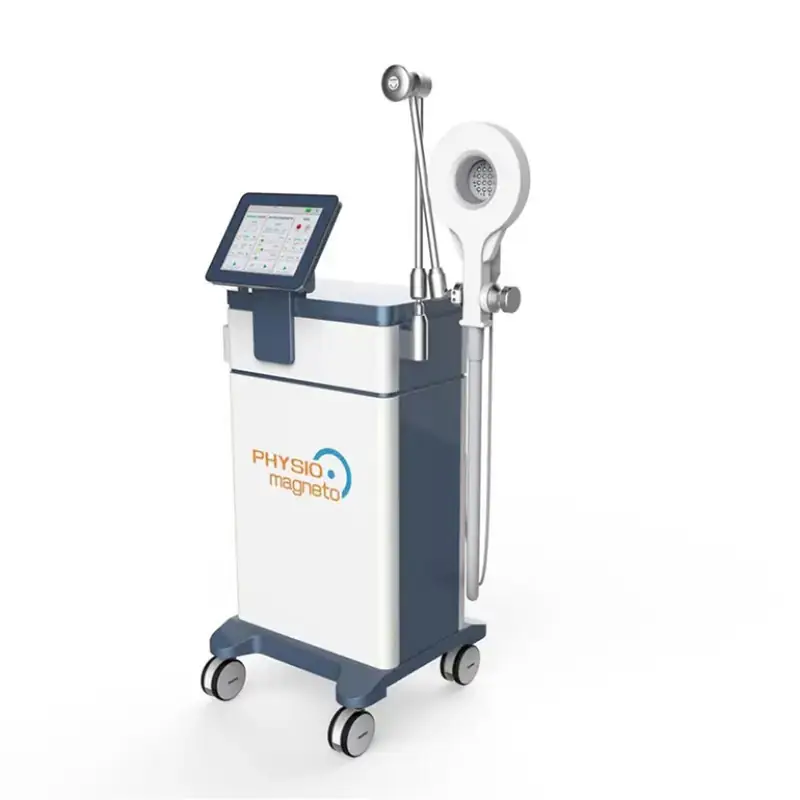
Once the technology and configuration requirements are clear, it is easier to see how they work together in an actual machine. JingBow’s 3-in-1 Physio Magneto EMTT & Shockwave Therapy Machine combines Magneto EMTT, shockwave therapy, and NIRS in one platform, giving clinics an option when several therapy technologies are required.
| Item | Specification |
| Configuration | 3-in-1 |
| Therapy functions | Magneto EMTT + Shockwave + NIRS |
| EMTT frequency | 1–100 Hz and 1000–3000 Hz |
| Shockwave settings | 1–6 bar, 1–21 Hz |
| NIRS wavelengths | 620 nm, 660 nm, 940 nm |
The specifications above describe the listed configuration. Buyers should confirm the latest technical sheet, exact accessories, certification, and final configuration before ordering.
Three Technologies in One Platform
The main feature of this machine is its combination of three therapy technologies. EMTT, shockwave, and NIRS are brought together instead of being offered through separate machines.
If a clinic needs more than one of these technologies, this configuration can provide access to several functions through the same equipment. It can also make the overall treatment-room setup easier to manage.
A Broader Treatment Setup Without Separate Hosts
The combination of EMTT and shockwave provides two different therapy options, while NIRS adds another technology to the configuration.
This makes the product different from a single-function machine. However, the number of functions should still be considered alongside the clinic’s actual service plan. If several included technologies are expected to be used regularly, a combined configuration can make more sense than purchasing each function separately.
NIRS Extends the Platform Beyond EMTT and Shockwave
NIRS adds another technology instead of repeating the functions of EMTT or shockwave. The listed configuration includes 620 nm, 660 nm, and 940 nm wavelengths.
This gives the machine a wider technology range. Its value still depends on whether NIRS has a clear role in the clinic’s planned services.
Rather than treating NIRS as simply another item in a “3-in-1” label, buyers can consider how the additional function fits into the overall treatment menu.
Frequently Asked Questions
What therapy functions are included in JingBow’s 3-in-1 physiotherapy machine?
The machine combines Magneto EMTT, shockwave therapy, and NIRS. The listed configuration includes separate working settings for EMTT and shockwave, as well as three NIRS wavelengths. Buyers should confirm the latest technical sheet and final accessory configuration before ordering.
What makes JingBow’s 3-in-1 physiotherapy machine different from single-function equipment?
The machine brings three different therapy technologies into one platform. This can give clinics a broader treatment setup without requiring a separate host for every technology. If a clinic only needs one therapy function, a single-function machine may be sufficient.
Is this 3-in-1 physiotherapy machine suitable for clinics using multiple therapy technologies?
It can be useful when a clinic plans to use more than one of the included functions. EMTT, shockwave, and NIRS are available through one platform, so the equipment can support a broader treatment menu. The final choice should match the services the clinic actually plans to offer.
What is the main difference between EMTT and shockwave therapy?
EMTT uses electromagnetic energy, while shockwave therapy uses mechanical or acoustic wave energy. Their applicators and working settings are also different, so each technology should be compared according to its own specifications.
What should buyers check when choosing a shockwave therapy machine?
Buyers should check how the waves are produced, which handpiece is supplied, and what pressure and frequency ranges are available. The complete configuration should also match the planned treatment services. A technical specification and accessory list can make it easier to compare different machines on the same basis.
Conclusion
EMTT and shockwave therapy use different types of energy, so their working parameters and machine configurations should be evaluated separately.
For a multifunction physiotherapy machine, the key point is not simply the number of functions. The configuration should match the clinic’s treatment plan and daily operation.
JingBow‘s 3-in-1 machine brings Magneto EMTT, shockwave, and NIRS together in one configuration. If you are planning to add multiple therapy technologies, compare the complete configuration, applicators, operating parameters, and documentation before placing an order.
If you are sourcing a multifunction physiotherapy machine for your clinic or distribution business, contact JingBow with your required therapy functions, target market, and technical requirements to discuss the suitable configuration and quotation.