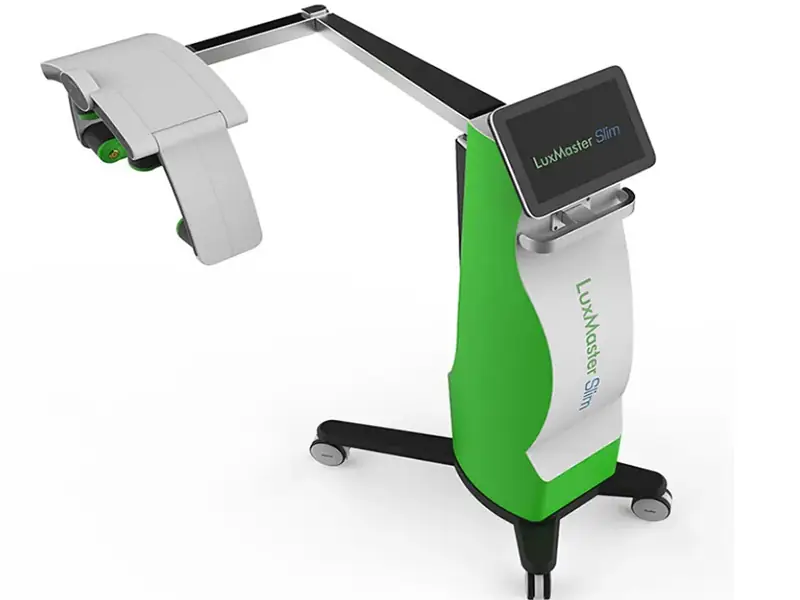
Key Takeaways
- Different body slimming machines use different technologies, so buyers should identify the working method before comparing products.
- Wavelength, energy output, treatment coverage, session time, and machine design can affect daily operation and service planning.
- Product documents, warranty terms, spare parts, packaging, delivery, and supplier support should be checked before purchase.
- The machine should match the planned treatment services, operating space, and purchasing requirements rather than price or the number of functions alone.
Introduction
When buying a body slimming machine, buyers may find that machines sold under the same category use very different technologies.
Some body shaping machines use cooling, while others use radio frequency, ultrasound, magnetic energy, or low-level light. These technologies work in different ways, so comparing machines only by price or the number of functions can lead to the wrong conclusion.
What Should You Know Before Choosing a Body Slimming Machine?
Before comparing individual specifications, buyers should first understand the technology used by the machine. This makes it easier to identify which parameters actually matter for the product.
Identify the Technology Before Comparing Specifications
A body slimming machine is a broad category covering several different technologies. Common approaches include cooling, radio frequency (RF), ultrasound, magnetic energy, and low-level light therapy.
The U.S. Food and Drug Administration (FDA) distinguishes non-invasive body contouring technologies by their working methods and also notes that body contouring is different from treating obesity or managing body weight.
This distinction matters when buyers compare a slimming machine or body sculpting machine. Two machines may both be marketed for body contouring while using completely different technologies. A higher specification in one technology does not automatically make the machine comparable with equipment using another technology.
For example, a light-based device should be evaluated using specifications relevant to its light technology, while a radio-frequency device requires a different set of technical parameters.
If a supplier cannot clearly explain the technology, intended use, or main technical parameters, these points should be clarified before price comparisons begin.
Which Specifications Should You Compare Before Buying?
Once the technology is clear, buyers can compare the specifications that have a direct impact on treatment coverage, daily operation, and product configuration.
Check the Wavelength and Diode Power
For light-based equipment, wavelength is one of the first specifications to check. However, wavelength alone does not describe the complete configuration.
Buyers should also check the stated diode power and treatment head configuration. A product described as a “high-power” or “professional” laser without specific technical figures is difficult to compare with another machine.
Two machines can use the same wavelength but still have different output levels and configurations. They should not be treated as identical products simply because the wavelength is the same.
Core technical specifications should therefore be clearly stated in the product documentation rather than only in promotional materials.
Evaluate Treatment Coverage and Positioning
The listed treatment areas should match the services the business plans to offer.
The American Academy of Dermatology (AAD) explains that non-invasive fat-reduction treatments can be used on different areas of the body, while treatment time varies according to the technology, device, and treatment area. A typical treatment may take around 30 to 90 minutes.
The treatment head is only one part of this comparison. Buyers should look at the stated treatment areas and consider whether the equipment can cover the areas required by their planned services.
Compare Session Time With the Daily Workflow
Session time should be considered together with the overall operating process.
A shorter stated treatment time does not necessarily mean that the machine will support more appointments in a working day. Positioning, parameter adjustments, and changes between treatment areas can also affect the actual workflow.
Before purchasing, buyers should confirm the typical session time, the treatment areas covered in one session, and the basic operating process. These details provide a more realistic basis for comparing equipment.
What Should You Check Before Ordering a Body Slimming Machine?
Technical specifications are only part of the purchasing decision. Before placing an order, buyers should also confirm the documents, warranty, shipping, and delivery conditions.
Ask for Complete Product Documents
Before placing an order, the supplier should provide the product specification, user manual, applicable compliance documents, electrical information, warranty terms, and maintenance instructions.
These documents can be used to verify the quoted configuration and confirm the operating and maintenance requirements of the actual machine.
For international orders, buyers should also confirm whether the documentation meets their local compliance and import requirements.
Check the Warranty and After-Sales Support
The warranty period alone does not show the full level of after-sales support.
The warranty terms should clearly state what is covered, how technical issues are handled, and whether replacement parts are available when needed. For overseas orders, remote technical support can also be important.
Confirm Packaging, Shipping, and Delivery Conditions
Before placing an order, buyers should confirm the packaging dimensions, gross weight, transport protection, shipping method, and estimated lead time.
These details are particularly important for international orders because they affect freight planning and delivery arrangements.
Why Choose a 532nm Cold Laser Body Slimming Machine?
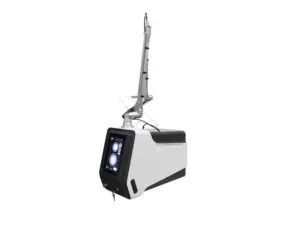
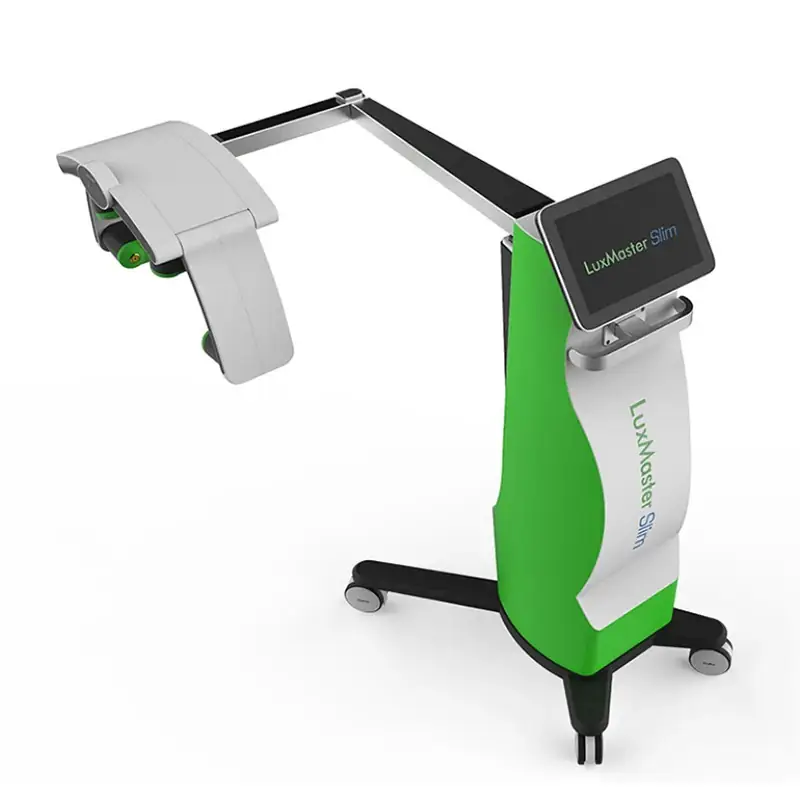
For buyers considering low-level light therapy, the JingBow 532nm Cold Laser Body Slimming Machine offers a 532nm cold laser configuration for body-contouring applications.
The following specifications show the main configuration of the machine.
| Specification | JingBow 532nm Cold Laser Body Slimming Machine |
| Model | JB-LS01C |
| Technology | 532nm Cold Laser / LLLT |
| Diode Power | 200 mW |
| Laser Head | Foldable |
| Maximum Reach | 110 cm |
Designed for Multiple Treatment Areas
JingBow‘s product information lists the abdomen and waist, back, buttocks, thighs, upper arms, and double chin as application areas. Buyers can compare these areas with their planned services to determine whether the machine fits their existing treatment portfolio.
Built for Practical Daily Operation
The machine uses a foldable laser head with a maximum reach of 110 cm. This allows the treatment head to be adjusted while the main unit remains in its operating position.
A 12.1-inch touch screen provides the main operating interface. The fixed-machine design is suited to salons, clinics, and other professional treatment rooms where the equipment can remain in a dedicated operating space.
The aluminum transport case is also included for equipment handling and shipment.
Suitable for Bulk Orders
For bulk orders, buyers should confirm the order quantity, production capacity, packaging, delivery, and lead time. JingBow lists a production capacity of 500 sets per month, which can provide a reference for buyers planning larger orders. The final configuration and delivery requirements should be confirmed with the supplier before ordering.
Frequently Asked Questions
What Makes the JB-LS01C Different From Other Body Slimming Machines?
The JB-LS01C uses 532nm cold laser technology, also known as LLLT. It is a light-based body-contouring machine rather than a system that combines several different body-contouring technologies.
What Type of Business Can Use the JB-LS01C?
The JB-LS01C can be considered by salons, aesthetic clinics, distributors, and businesses offering non-invasive body-contouring services. Its fixed-machine design suits professional treatment environments.
What Should Buyers Confirm Before Ordering the JB-LS01C?
Buyers should confirm the required configuration, treatment areas, packaging, lead time, and any customization requirements before placing an order. For bulk or overseas purchases, the final commercial and delivery terms should also be agreed with the supplier.
Is a Body Slimming Machine the Same as a Weight Loss Machine?
Not necessarily. Body slimming generally refers to aesthetic body-contouring services focused on the appearance or shape of specific areas, while weight loss refers to a reduction in overall body weight.
Why Do Body Slimming Machines Use Different Technologies?
Different machines use cooling, RF, ultrasound, magnetic energy, or low-level light therapy. Each technology has its own working principle and relevant technical parameters, so buyers should compare machines within the same technology category whenever possible.
Conclusion
Choosing a body slimming machine starts with the technology and treatment requirements. Buyers should then confirm the specifications, treatment areas, product documentation, and purchasing terms before placing an order.
The JingBow JB-LS01C uses 532nm cold laser technology, with a foldable laser head, 110 cm maximum reach, and applications covering several body areas. For distributors and project buyers, production capacity and order terms can also be discussed according to project requirements.
If you are sourcing a body shaping machine or weight loss machine, contact JingBow to discuss the required configuration and commercial terms.