Introduction
As aesthetic clinics continue to seek more effective and versatile skin resurfacing solutions, laser technology remains an important part of modern dermatological and aesthetic treatments. Among these technologies, CO2 lasers have long been recognized for their ability to support skin resurfacing, scar improvement, and tissue remodeling procedures.
However, the delivery of laser energy has evolved significantly over time. Traditional CO2 lasers use full-area ablation, while fractional CO2 laser technology delivers laser energy through controlled micro-thermal treatment zones, allowing more precise energy distribution and treatment customization.
Understanding the differences between traditional CO2 lasers and fractional CO2 lasers can help clinics evaluate treatment flexibility, equipment capabilities, and the right solution for their aesthetic applications.
Understanding Traditional CO2 Laser Technology
How Traditional CO2 Lasers Work
Traditional CO2 lasers use infrared laser energy at approximately 10,600nm. Since water is the primary chromophore in skin tissue, the laser energy is absorbed by water molecules, causing controlled vaporization of targeted tissue.
In conventional ablative CO2 laser treatment, the laser removes continuous areas of the skin surface. This approach can provide significant resurfacing effects, making it suitable for addressing deeper wrinkles, uneven skin texture, and more advanced skin concerns.
However, because larger areas of tissue are affected during treatment, traditional CO2 laser procedures generally require more careful post-treatment management.
Advantages and Limitations of Traditional CO2 Lasers
Traditional CO2 lasers remain an important technology in dermatology and aesthetic medicine due to their strong ablative capability.
Their advantages include:
- Effective removal of damaged surface skin layers
- Strong thermal stimulation for collagen remodeling
- Ability to treat more severe skin texture concerns
However, traditional CO2 lasers also have certain limitations:
- Larger treatment areas receive direct laser impact
- Thermal effects require precise control
- Patient recovery management can be more demanding
These factors have encouraged the development of fractional CO2 laser systems that provide more controlled energy delivery.
What Is Fractional CO2 Laser Technology?
How Fractional CO2 Lasers Create Micro-Thermal Treatment Zones
Unlike traditional full-field CO2 laser ablation, fractional CO2 laser technology divides laser energy into multiple microscopic treatment zones.
During treatment, the laser creates controlled columns of thermal injury within the skin while leaving surrounding tissue relatively unaffected. These untreated areas help support the natural healing process.
This fractional approach allows practitioners to balance effective resurfacing with improved treatment flexibility.
How Fractional CO2 Lasers Stimulate Collagen Remodeling
The controlled thermal energy delivered by a fractional CO2 laser triggers the skin’s natural repair response.
During this process:
- Damaged tissue is removed through controlled ablation
- Heat stimulates fibroblast activity in the dermis
- New collagen and elastin production is promoted
As collagen remodeling continues, skin texture, firmness, and overall appearance can be improved.
Fractional CO2 Laser vs Traditional CO2 Laser: Key Differences
| Feature | Traditional CO2 Laser | Fractional CO2 Laser |
| Treatment method | Full-area ablation | Micro-thermal treatment zones |
| Energy delivery | Continuous tissue removal | Fractional laser columns |
| Treatment flexibility | More limited | More adjustable |
| Thermal control | Requires careful management | More controlled energy distribution |
| Common applications | Deep resurfacing procedures | Skin resurfacing, scars, rejuvenation, and multiple aesthetic applications |
Fractional technology does not replace traditional CO2 laser technology completely. Instead, it provides clinics with an additional option for treatments requiring precise energy control and versatile applications.
Why Modern Clinics Prefer Fractional CO2 Laser Technology
Fractional CO2 laser technology provides clinics with a more flexible approach to skin resurfacing by allowing controlled treatment settings for different clinical requirements. Compared with traditional full-field ablation, fractional systems can support a broader range of aesthetic procedures while helping practitioners manage treatment intensity more precisely.
Clinical Applications of Fractional CO2 Laser Technology
Fractional CO2 laser systems are commonly used for various aesthetic and dermatological applications, including:
Skin Resurfacing
Fractional CO2 laser treatment can help improve uneven skin texture and support skin rejuvenation procedures through controlled resurfacing.
Acne Scar Treatment
By creating controlled thermal zones in scarred areas, fractional CO2 laser technology can support collagen remodeling and improve the appearance of depressed acne scars.
Wrinkle and Texture Improvement
The combination of controlled ablation and thermal stimulation helps address signs associated with skin aging.
Pigmentation Correction
Fractional CO2 laser systems may be used as part of treatment plans targeting uneven skin tone and pigmentation concerns.
What to Consider When Choosing a Professional Fractional CO2 Laser Machine
When selecting fractional CO2 laser equipment, clinics should evaluate several key factors to ensure the system meets their treatment requirements. Important considerations include laser wavelength, output power control, pulse modes, transmission system, cooling performance, and overall equipment reliability.
10600nm CO2 Laser Wavelength for Skin Resurfacing
The wavelength is one of the most important factors affecting how a CO2 laser interacts with skin tissue.
A 10,600nm CO2 laser wavelength is widely used in aesthetic laser applications because it is strongly absorbed by water in biological tissues. This absorption allows the laser energy to create controlled thermal effects, supporting precise tissue vaporization and collagen remodeling during skin resurfacing procedures.
Adjustable Output Power and Pulse Modes
Professional fractional CO2 laser systems should provide flexible energy control to support different treatment requirements.
Adjustable output power allows practitioners to customize treatment parameters based on the targeted area and procedure type. Multiple pulse modes can further improve treatment flexibility by providing different energy delivery patterns.
Flexible Transmission System for Clinical Operation
The transmission system directly affects the convenience and accuracy of daily clinical operation.
A well-designed laser delivery system should allow flexible positioning of the handpiece, helping practitioners perform procedures more efficiently while maintaining stable laser energy transmission.
Stable Cooling System for Reliable Performance
Effective heat control helps the laser system maintain stable output during continuous treatment sessions. A properly designed cooling system helps regulate the operating condition of the laser source and maintain stable energy output.
JingBow’s Fractional CO2 Laser Solution for Aesthetic Clinics
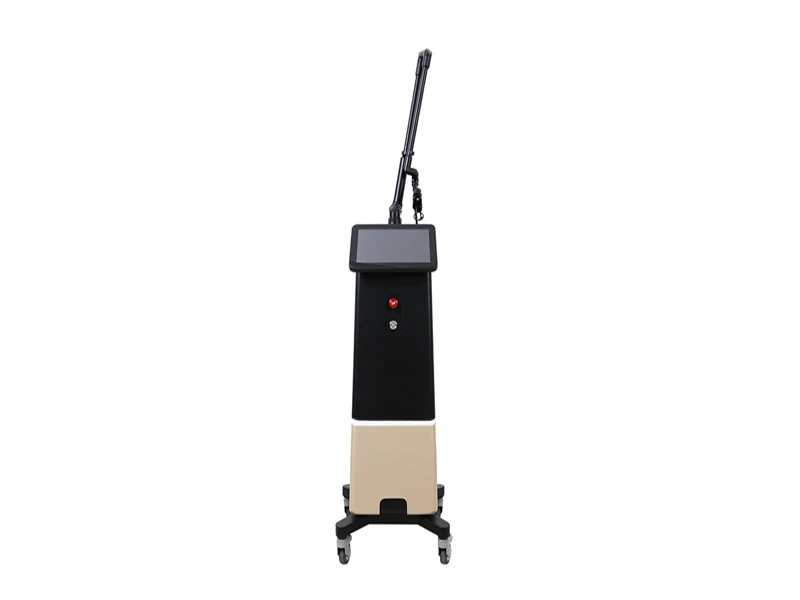
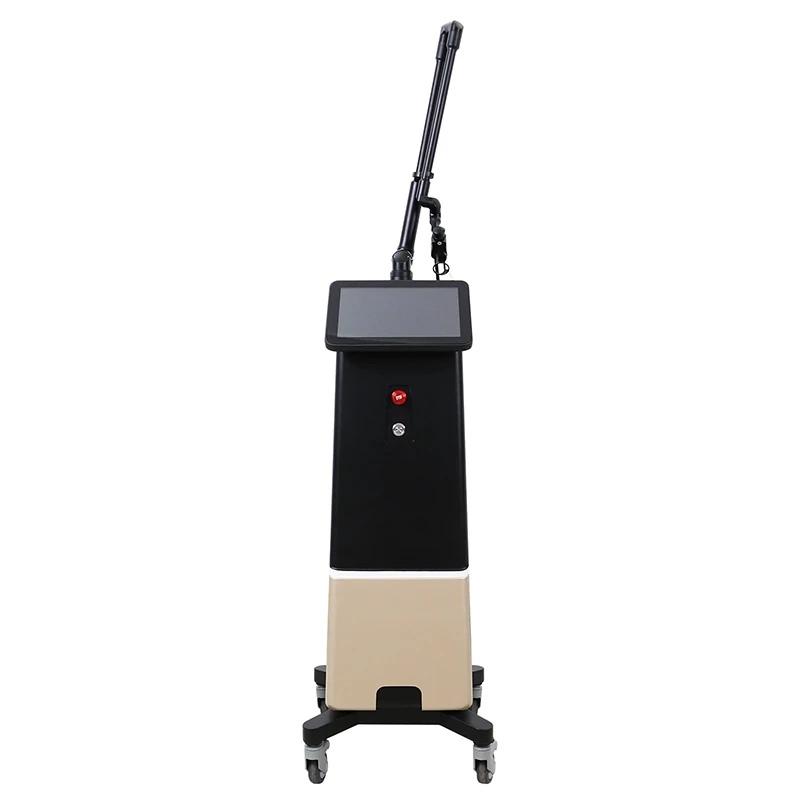
Based on the key factors that clinics consider when selecting a professional laser system, we have developed our fractional CO2 laser machine to support aesthetic clinics and medical beauty professionals with reliable laser solutions.
Our system combines a 10,600nm sealed-off CO2 laser source, adjustable output power, multiple pulse modes, and a flexible transmission system to support various skin resurfacing and rejuvenation procedures.
Key Specifications and Features
| Specification | Details |
| Laser Type | Sealed-off CO2 laser |
| Laser Wavelength | 10,600nm |
| Output Power | Adjustable 1–60W |
| Working Modes | Single Pulse, Continuous Pulse, Repeat Pulse, Super Pulse |
| Focused Spot Diameter | ≤0.4mm |
| Pulse Width | 0.1ms–10ms |
| Aiming Beam | Red diode laser (650nm, 2mW) |
| Transmission System | Spring-balanced 7-joint articulated arm |
| Cooling System | Inside-circle coolant |
| Display Screen | 10.4-inch touch screen |
| Working Temperature | 5℃–40℃ |
| Applications | Skin resurfacing, acne scar improvement, pigmentation correction, surgical cutting, vaginal rejuvenation |
Designed for Flexible Clinical Applications
With adjustable output power from 1W to 60W and multiple pulse modes, our Fractional CO2 Laser Machine allows practitioners to select suitable treatment parameters for different procedures.
The system supports a variety of applications, including skin resurfacing, acne scar improvement, pigmentation correction, surgical cutting, and vaginal rejuvenation.
Built for Reliable Daily Operation
For professional aesthetic clinics, equipment stability and operational convenience are essential.
Our system features a spring-balanced 7-joint articulated arm for flexible positioning and an Inside-circle coolant system designed to support stable laser output during continuous operation.
Frequently Asked Questions
Q1: What is the advantage of fractional CO2 laser technology compared with traditional CO2 lasers?
A: Fractional CO2 laser technology delivers laser energy through controlled micro-thermal treatment zones instead of treating the entire surface area at once. This approach allows more precise energy control and provides greater flexibility for skin resurfacing, scar improvement, and rejuvenation procedures.
Q2: What factors should clinics consider when choosing a fractional CO2 laser machine?
A: Clinics should evaluate several factors, including laser wavelength, output power, pulse modes, transmission system, cooling performance, and equipment reliability. A professional fractional CO2 laser machine should provide precise energy control and flexible settings to meet different clinical requirements.
Q3: Can a fractional CO2 laser machine support both aesthetic and surgical applications?
A: Yes. Depending on the configuration and operating modes, a professional fractional CO2 laser machine can support various applications, including skin resurfacing, acne scar improvement, pigmentation correction, and precise surgical procedures.
Conclusion
Fractional CO2 laser technology has become an important development in modern skin resurfacing because it combines the proven benefits of CO2 laser energy with more controlled fractional delivery.
Compared with traditional CO2 laser systems, fractional technology provides clinics with greater flexibility for skin rejuvenation, scar treatment, and other aesthetic procedures.
For clinics seeking professional laser solutions, choosing a well-designed fractional CO2 laser machine with adjustable power, multiple pulse modes, and reliable transmission technology can help expand treatment capabilities and support diverse aesthetic applications.