Introduction
Evolving client demand for tattoo revision and pigment correction drives many clinics to upgrade their laser equipment. Practitioners need safer, more efficient multi-function devices to cover a full range of pigment treatment needs.
Older laser systems offer limited wavelength options, which can restrict treatment adaptability. New integrated laser systems combine multiple wavelengths in one platform. Operators can adjust the settings to match ink colors, pigment features and individual skin conditions for precise treatment.
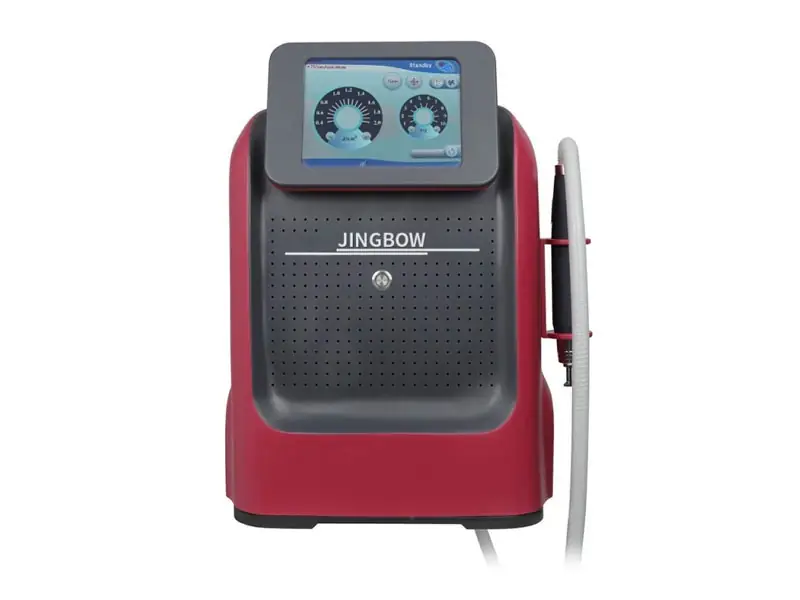
Hebei JingBow Electronic Technology Co. works as a professional tattoo removal machine Manufacturer. We design laser equipment for clinics, distributors and beauty practitioners. Our devices deliver stable performance and support diverse cosmetic treatments. Our 4-wavelength picosecond technology combines multiple wavelength choices and ultra-short pulses to meet all modern beauty treatment needs.
Clinics switch to multi-wavelength laser platforms due to two key drivers. Laser technology continues to advance, and clinics also face real-world daily treatment demands. One multi-functional laser overcomes the limits of single-purpose machines and lets clinics offer more cosmetic service options to customers.
What Is 4-Wavelength Picosecond Laser Technology?
Picosecond laser devices fire ultra-short pulses that last just one trillionth of a second. This creates a strong photoacoustic effect to fragment pigment into tiny particles, and it naturally reduces heat damage to surrounding healthy skin.
As the American Academy of Dermatology notes, focused laser energy splits tattoo ink so the body can eliminate it through metabolism. Tattoo ink often settles at uneven depths with varying density, which means clients almost always require multiple treatment sessions.
A single machine equipped with four wavelengths enables far more flexible treatments. Each wavelength interacts with light differently, so practitioners can choose the right option to tackle a variety of pigment colors.
| Wavelength | Typical Application |
| 1064nm | Commonly selected for darker pigments such as black and deep blue inks |
| 532nm | Often used for red and warm-color pigments |
| 755nm | Frequently applied for certain blue and green pigments |
| 1320nm | Used for selected aesthetic skin treatment applications |
By offering multiple wavelengths, a professional picosecond laser tattoo removal machine can provide practitioners with more options compared with single-wavelength equipment.
Why Do Clinics Upgrade to Multi-Wavelength Laser Systems?
Clinics primarily upgrade their laser equipment due to one central factor. They encounter a far wider variety of tattoo pigments in daily practice. Modern tattoos often feature blended hues, stacked layers, and custom ink mixtures, and each variant requires a customized treatment approach.
Single-wavelength devices produce poor results on multi-colored tattoo ink. Multi-wavelength equipment lets practitioners adjust treatment parameters to fit the distinct properties of each pigment type.
Improved daily workflow efficiency is another core advantage. Clinics avoid purchasing multiple independent machines to satisfy their different wavelength requirements. They can select one integrated laser system to handle all treatment categories. This integrated system simplifies equipment maintenance and offers clinics greater flexibility during routine skincare treatments.
Advancements in laser tattoo removal technology also reflect the industry’s emphasis on precise energy output. Newer devices achieve balanced performance. They deliver strong treatment results while keeping patients comfortable and meeting all professional and operational standards.
What Makes 4-Wavelength Picosecond Technology Different?
Multiple Wavelength Options for Different Pigments
Tattoo ink consists of varied chemical compounds. Each color carries unique pigment components, and these components react differently to laser energy.
Black ink responds best to longer laser wavelengths, while brightly colored ink requires shorter wavelengths for complete breakdown. Operators can switch to the matching wavelength based on each client’s treatment needs.
Ultra-Short Pulse Delivery
This laser stands out due to its ultra-short pulse delivery. It releases energy within an extremely brief timeframe and shatters pigment particles through mechanical impact.
Conventional older lasers rely entirely on thermal energy to break down ink, creating a significant performance gap. The short pulse design allows practitioners to control energy output with far greater precision during every single treatment session.
Flexible Clinical Applications
Modern clinics need multi-functional equipment to expand their service offerings. A 4-wavelength unit can handle tattoo removal, pigment fading and other skincare treatments following standard clinical guidelines.
When clinics consider purchasing a tattoo removal machine, versatility becomes a top priority. More usable treatments increase machine utilization rates and help clinics expand new service lines easily.
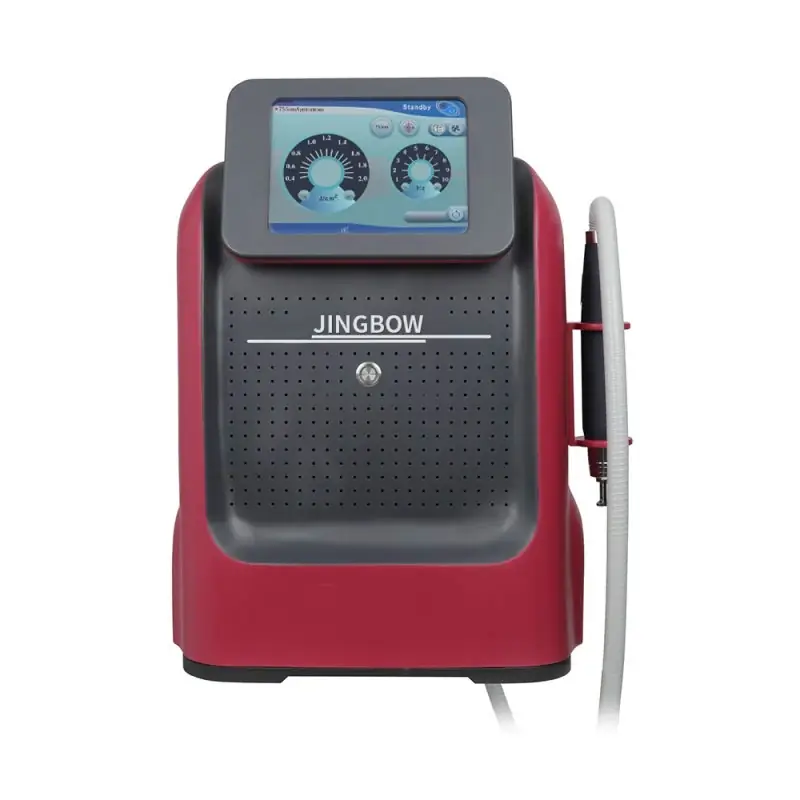
Product Specifications of the Professional 1200W 4-Wavelength Picosecond Laser System
This 1200W laser device serves as an all-in-one multi-wavelength aesthetic platform. It includes four switchable wavelength options: 1064 nm, 532 nm, 755 nm, and 1320 nm. Practitioners select the matching wavelength based on pigment type and treatment goals.
Manufacturers build this system for professional cosmetic use. It delivers stable operation and wide treatment coverage. Instead of only targeting one pigment type, the four-wavelength setup can address all common tattoo ink colors and supports many routine skin correction procedures.
The main specifications include:
| Specification | Description |
| Laser Type | Picosecond laser system |
| Laser Power | 1200W |
| Available Wavelengths | 1064nm / 532nm / 755nm / 1320nm |
| Main Application | Tattoo pigment removal and aesthetic pigment treatments |
| Technology Principle | Ultra-short pulse laser energy delivery |
| System Design | Multi-wavelength professional platform |
| Target Users | Aesthetic clinics, dermatology centers, and medical beauty providers |
For clinics and distributors evaluating a professional picosecond laser tattoo removal machine, wavelength selection is one of the most important technical factors because it directly influences how the system interacts with different pigment colors.
The 1064nm wavelength is commonly selected for darker tattoo pigments, while 532nm is generally associated with warmer colors such as red. The 755nm wavelength can provide additional options for certain blue and green pigments, and the 1320nm wavelength expands the platform’s application range for specific aesthetic procedures.
How Does Picosecond Laser Tattoo Removal Work?
Understanding the treatment process helps clinics evaluate whether a technology matches their service requirements. Although specific procedures should always be performed by trained professionals following appropriate protocols, the general workflow includes several important steps.
Step 1: Skin and Tattoo Assessment
Before treatment begins, professionals evaluate the tattoo characteristics, including:
- Tattoo color and pigment type
- Ink density
- Tattoo size and location
- Skin condition
- Previous removal treatments
This assessment helps determine the suitable wavelength and treatment parameters.
Step 2: Selection of Appropriate Wavelength
Different pigments absorb laser energy differently. Based on the assessment results, practitioners select the wavelength that best matches the tattoo pigment.
For example:
- 1064nm may be considered for dark pigments.
- 532nm may be selected for certain red pigments.
- 755nm may be used for some blue or green pigments.
The multi-wavelength structure of a modern laser tattoo removal machine gives professionals more flexibility during this selection process.
Step 3: Laser Energy Delivery
During treatment, the laser emits ultra-short pulses toward the tattoo pigment. The energy interacts with ink particles and creates a photoacoustic effect that breaks larger pigment particles into smaller fragments.
These smaller particles can then be gradually processed by the body’s natural mechanisms.
Step 4: Recovery and Follow-Up Evaluation
After treatment, professionals monitor skin response and determine the appropriate interval before the next session.
The number of sessions required varies depending on multiple factors, including tattoo size, ink color, pigment depth, and individual skin characteristics. According to the U.S. Food and Drug Administration, laser tattoo removal procedures may require multiple treatments because different colors and types of tattoo ink respond differently to laser energy.
Main Applications of 4-Wavelength Picosecond Laser Technology
The main purpose of this type of equipment is professional tattoo pigment treatment. However, the combination of multiple wavelengths allows clinics to provide broader aesthetic services depending on their treatment protocols.
Professional Tattoo Removal
The primary application is removing unwanted tattoos, including:
- Black ink tattoos
- Color tattoos
- Professional tattoos
- Decorative tattoos
- Cosmetic tattoo correction
Because tattoo pigments vary significantly, a multi-wavelength approach provides more treatment options compared with equipment limited to one wavelength.
Cosmetic Tattoo Correction
Clients may want to adjust or fully remove permanent makeup such as eyebrow tattoos and lip pigment. This creates steady demand for corrective skincare treatments.
Adjustable wavelength settings allow practitioners to handle all kinds of embedded pigment more effectively.
Pigmentation-Related Treatments
Trained professionals can select suitable wavelength modes to treat various pigment spots.
Clinics must check for valid treatment indications, local industry rules, and staff training standards before launching new pigment care services.
Aesthetic Clinic Equipment Upgrade
Multi-function laser units bring practical operational benefits to clinics planning equipment upgrades. One single machine with switchable wavelengths eliminates the need to purchase several separate laser devices.
This solution works best for clinics with diverse client demands, as it greatly boosts flexibility across all skincare sessions.
4-Wavelength Picosecond Laser vs Traditional Laser Systems
| Feature | Traditional Laser Systems | 4-Wavelength Picosecond Laser System |
| Pulse Duration | Longer pulse delivery | Picosecond ultra-short pulse technology |
| Wavelength Options | Usually limited | Four wavelength choices |
| Pigment Coverage | Depends on system configuration | Broader pigment application range |
| Treatment Flexibility | More restricted | More parameter adjustment options |
| Clinic Application | Mainly specific treatments | Supports diverse aesthetic services |
The comparison does not mean every clinic requires the newest technology. Equipment selection should depend on treatment volume, target customers, clinical requirements, and budget considerations.
However, for facilities that frequently handle different tattoo colors and pigment conditions, a multi-wavelength system may provide greater operational flexibility.
Industry Insights: Why Multi-Wavelength Laser Technology Is Gaining Attention
Consumer demand for cosmetic treatments and personalized skincare keeps rising, and this trend drives constant upgrades to aesthetic laser equipment. Clinic owners no longer only prioritize powerful technical performance. They also value stable operation, flexible treatment options, and long-term return on investment.
Grand View Research reports consistent expansion across the global medical aesthetics market. The growth comes from rising demand for minimally invasive beauty services and continuous upgrades of energy-based laser devices.(https://www.grandviewresearch.com/industry-analysis/medical-aesthetics-market)
Laser skincare treatments remain a core service category within dermatology and cosmetic medicine. Innovations like picosecond lasers are pushing the whole industry forward. New technologies deliver far more precise energy output and support a wider scope of skincare treatments. The American Society for Dermatologic Surgery also recognizes laser and energy-based devices as essential tools for modern aesthetic practices.(https://www.asds.net/skin-experts/skin-treatments/laser-treatments)
These market shifts make equipment selection a key strategic choice for clinic operators.
Why Choose a Professional 4-Wavelength Picosecond Laser Solution?
Every clinic owner considers performance and daily practicality before investing in aesthetic equipment. A trusted tattoo removal machine manufacturer does not just supply cutting-edge equipment. This is why this four-wavelength picosecond platform stands out for real-world clinic use.
Wider Treatment Options
With four interchangeable wavelengths, practitioners gain full flexibility to tackle different pigment issues. This fits clinics that regularly treat clients with multi-toned tattoos and diverse pigment correction requests.
Improved Equipment Utilization
Unlike single-purpose lasers limited to narrow treatments, this multi-wavelength unit handles multiple aesthetic services all at once. Clinics only need this one system instead of purchasing several standalone devices.
Professional Clinic Integration
This device is built to fit professional spaces, from beauty clinics and medical beauty hubs to dermatology offices. All operators must complete standardized training and follow official treatment guidelines before starting sessions.
Frequently Asked Questions
Q1: What is a 4-wavelength picosecond laser?
A: A 4-wavelength picosecond laser is an aesthetic laser system that combines four wavelength options, commonly including 1064nm, 532nm, 755nm, and 1320nm. Each wavelength interacts differently with pigments, allowing professionals to select suitable settings according to treatment requirements.
Q2: Why are clinics upgrading to a picosecond laser tattoo removal machine?
A: Many clinics are upgrading because modern tattoo treatments often involve different colors and pigment types. A multi-wavelength system provides more treatment flexibility compared with equipment using only one wavelength.
In addition, picosecond technology uses ultra-short laser pulses, which allows more precise energy delivery during professional treatments.
Q3: Can one laser remove all tattoo colors?
A: No laser system can guarantee complete removal of every tattoo. Results depend on factors such as ink composition, tattoo depth, color, location, and individual skin response.
Different wavelengths are designed to interact with different pigment characteristics, which is why multi-wavelength systems are commonly considered for more complex tattoo treatments.
Q4: How many treatments are usually required for tattoo removal?
A: The number of treatments varies from person to person. Factors include tattoo size, ink color, pigment density, skin type, and previous treatment history.
According to the American Academy of Dermatology, multiple sessions are generally needed because tattoo ink particles are located at different depths and require time for the body to remove fragmented pigment.
Q5: What should clinics consider before purchasing a laser tattoo removal machine?
A: Clinics should evaluate:
- Available wavelength options
- Treatment applications
- Equipment reliability
- Supplier experience
- Training and technical support
- Local regulatory requirements
Choosing equipment based on actual clinical needs can help achieve better long-term value.
Conclusion
The increasing adoption of 4-wavelength picosecond technology reflects the changing requirements of modern aesthetic clinics. As tattoo styles become more diverse and patients seek professional correction solutions, clinics need equipment that provides flexibility and reliable performance.
A professional laser tattoo removal machine with multiple wavelength options can help practitioners address different pigment conditions while expanding potential service capabilities. The Professional 1200W 4-Wavelength Picosecond Laser Tattoo Removal Machine provides a practical solution for clinics looking for a versatile platform based on picosecond technology.
For clinics, distributors, and aesthetic professionals, selecting the right equipment is not only about advanced specifications. It is about finding a balanced solution that matches treatment requirements, operational goals, and professional standards.
By combining multiple wavelengths with picosecond pulse technology, modern laser systems continue to provide new possibilities for professional tattoo removal and aesthetic applications.