
Advanced Picosecond Laser for Tattoo Removal & Pigmentation
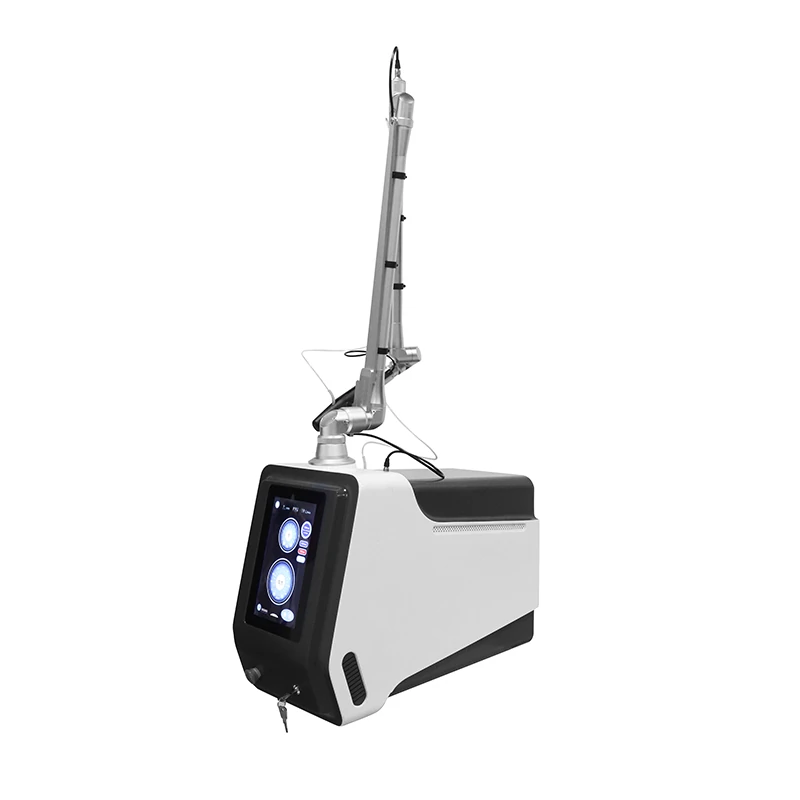
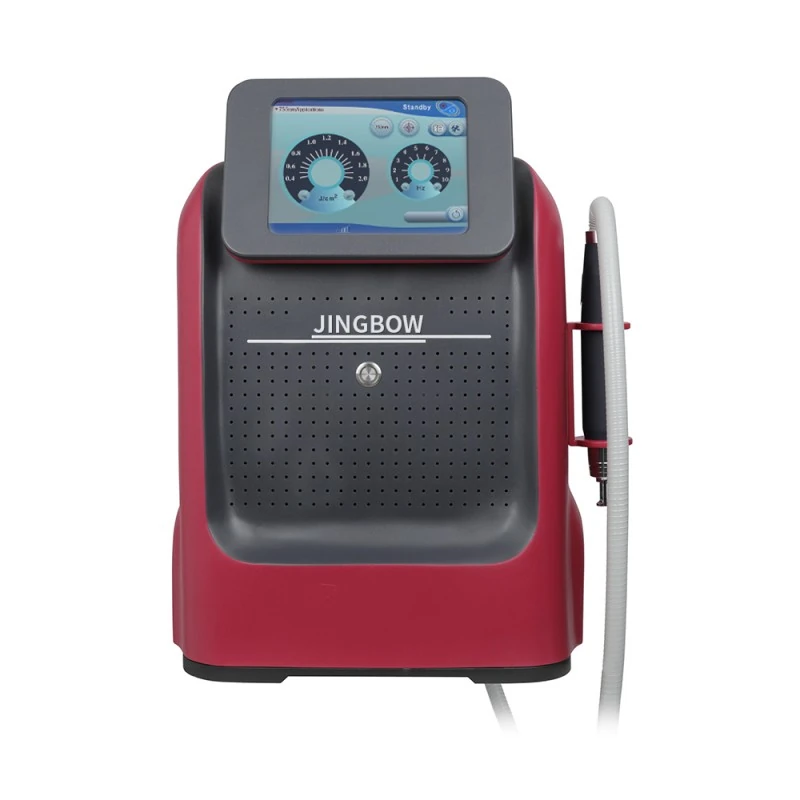
Revolutionize your pigment clearing procedures with JingBow’s advanced picosecond laser system. Delivering energy in trillionths of a second, this high-performance platform utilizes powerful photoacoustic shockwaves to shatter stubborn ink and pigmentation into ultra-fine particles. Designed for superior clinical results with minimal sessions and downtime, our CE-certified picosecond laser is the ultimate tool for high-end aesthetic practices worldwide.
OEM / ODM
Custom branding solutions.
Clinical Training
Free operation training.
Marketing
Promotional support.
Repair Support
24/7 technical help.

The Science of Picosecond Laser Technology
The transition from traditional Q-switched nanosecond lasers to picosecond technology represents a significant leap in dermatological laser efficacy. While older systems rely on photothermal action (heating the pigment), the picosecond laser operates with a ultra-short pulse width that creates a dominant photoacoustic effect. This mechanism shatters pigment and ink into dust-like particles rather than larger fragments. These finer particles are more efficiently processed and eliminated by the body’s lymphatic system, leading to faster clearance and fewer overall treatment sessions for the patient.
Key Clinical Benefits for Your Aesthetic Practice
-
Higher Efficacy on Stubborn Ink: Effectively targets recalcitrant tattoos and multi-colored pigments that have stopped responding to traditional laser treatments.
-
Enhanced Patient Safety: The ultra-short pulse duration minimizes heat accumulation in the surrounding skin tissue, significantly reducing the risk of post-inflammatory hyperpigmentation (PIH) and scarring.
-
Versatile Skin Rejuvenation: Beyond tattoo removal, the picosecond laser is highly effective for treating freckles, sunspots, and performing the popular “Honeycomb” laser facial for skin texture improvement.
-
Faster Recovery Times: Patients experience less redness and swelling compared to nanosecond lasers, allowing for a quicker return to their daily routines.
Engineered for High-End Professional Use
JingBow’s picosecond laser systems are built with high-stability laser resonators and high-quality articulated arms to ensure a consistent beam profile across every shot. With adjustable spot sizes, multiple wavelengths (1064nm, 532nm, and optional 755nm), and a user-friendly interface, practitioners can customize treatments for diverse skin types and pigment depths. As a direct manufacturer, we provide comprehensive technical support and competitive factory pricing to ensure a high return on investment for your medical beauty business.
Why Choose JingBow
Your trusted partner in aesthetic technology.
Factory Direct Price
Eliminate middleman costs. Get the best ROI with our competitive factory-direct pricing structure.
Strict Quality Control
All machines undergo rigorous 48-hour testing. ISO 13485 compliant manufacturing with CE certification.
Fast & Safe Delivery
Ready stock for popular models. Professional crating and established logistics partners ensure safe arrival.
Frequently Asked Questions
Q: How many sessions are typically required for full tattoo removal?
A: Due to the superior ink-shattering capability of picosecond technology, patients often see complete clearance in 30% to 50% fewer sessions than with traditional Q-switched lasers. The exact number depends on ink color, depth, and the patient's skin type.
Q: Is the picosecond laser safe for darker skin tones?
A: Yes. Because picosecond lasers rely on mechanical action rather than heat, there is much less thermal stress on the epidermis. This makes it a safer and more effective option for patients with darker Fitzpatrick skin types (IV-VI) compared to older technologies.
Q: Can this machine remove multi-colored tattoos?
A: Absolutely. Our picosecond platforms utilize multiple wavelengths to target a full spectrum of ink colors. 1064nm is used for dark black and blue inks, while 532nm is effective for red, orange, and brown pigments. Optional wavelengths can be integrated for challenging greens and light blues.